How to Get Rid of Algae in a Fish Tank Naturally
3 months ago Robin Doughty 0
How to Get Rid of Algae in a Fish Tank
A little algae can make aquarium decorations look more realistic, but when it gets out of control, you need to know how to get rid of algae in a fish tank before it affects your fish and water quality.
Green algae on aquarium glass, decorations, and equipment is one of the most common problems freshwater fish owners face. The good news is that you can control aquarium algae naturally with the right habits and regular maintenance.
A small amount of algae on rocks or driftwood is normal. It can even make your tank look more natural. So if the glass turns green or your water starts looking cloudy, it is time to take action.
Avoid relying on chemical treatments if possible. In most cases, better tank management will give you safer and longer-lasting results.
h2>What Is Aquarium Algae?
Algae are simple plant-like organisms that grow in water. In freshwater aquariums, the most common types are green algae and brown algae.
Brown algae is usually easier to remove and often appears in newer tanks. Green algae is more stubborn and may need to be scraped from the glass or decorations.
Like plants, algae use light and nutrients to grow. That is why controlling light and waste is so important when trying to prevent algae growth in a fish tank.
6 Ways to Control Aquarium Algae
If you want to reduce algae in your aquarium, focus on the basics first. These methods work best together, not alone.
1.
Add algae-eating fish
Algae eaters can help with light cleanup, but they will not solve a serious algae problem on their own.
Popular options include:
Otocinclus catfish.
Nerite snails.
Smaller plecos such as rubber-lip plecos.
Be careful with common plecos, since many grow far too large for a typical home aquarium. Some species can also be rough on live plants.
2.
Do not overfeed your fish
Overfeeding is one of the biggest causes of algae growth in freshwater tanks. Extra food breaks down into waste, and algae feed on those nutrients.
A good rule is to feed only what your fish can eat in a few minutes. If food is sinking to the bottom or getting caught in the filter, you are probably feeding too much.
You can also use a feed-and-fast schedule with one or more fasting days each week. This often helps reduce waste without harming healthy fish.
3.
Keep up with water changes
Regular water changes are one of the best ways to control algae in a fish tank naturally. A weekly water change of about 25% to 30% is a solid routine for most aquariums.
Monthly maintenance should also include:
Vacuuming the substrate.
Cleaning decorations.
Scraping algae from the glass.
Rinsing the filter media as needed.
This keeps waste from building up and lowers the nutrients that algae need to grow.
4.
Manage aquarium lighting
Too much light can trigger algae blooms. If you are not growing live plants, you usually do not need the aquarium light on for long periods.
Keep lights on for a consistent daily cycle, and avoid leaving them on all day. A timer can help you control lighting and prevent accidental overexposure.
If algae keeps coming back, reducing the number of light hours is often one of the fastest fixes.
5.
Avoid direct sunlight
Direct sunlight can cause algae to spread quickly in a freshwater tank. It can also raise the water temperature and stress your fish.
If possible, place your aquarium away from windows or spots that get strong daytime sun. This simple change can make a big difference in algae control.
6.
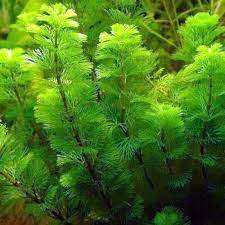
Add live aquarium plants
Live plants are one of the best natural ways to prevent algae growth in an aquarium. They compete with algae for the same nutrients, which makes it harder for algae to take over.
Healthy plants can also help improve water quality and create a more stable tank environment. In many planted tanks, algae stays under control simply because the plants outcompete it.
How to Fix a Green Water Algae Bloom
If your tank water suddenly turns green and cloudy, you are probably dealing with an algae bloom. This usually means there is too much light, too many nutrients, or both.
To fix it, start with a partial water change and reduce lighting. Then check your feeding habits, tank placement, and maintenance routine.
In most cases, the solution is simple: remove some of the excess nutrients and get your tank back on a regular care schedule.
Safe Ways to Clean Decorations
You can remove aquarium decorations and clean them by hand when algae builds up.
Use: Hot water. A soft brush or sponge. Aquarium-safe cleaning tools.
Do not use soap, detergent, or household cleaners. Residue from those products can be toxic to fish.
If you have live plants, leave them in place and clean carefully around them instead of disturbing the roots.
Living With Some Algae
Algae will never disappear completely from a fish tank. Spores can enter with new fish, plants, or even through the air.The goal is not to eliminate algae entirely. The real goal is to keep it under control so your aquarium stays healthy and looks clean. If you focus on feeding, lighting, water changes, and plant balance, you will have a much easier time managing algae in the long run.
Suggested Alt Text
aquarium glass covered with green algae.
freshwater fish tank with algae on decorations.
otocinclus catfish eating algae in aquarium.
Long-Tail Keywords to Use Naturally
how to get rid of algae in a fish tank naturally