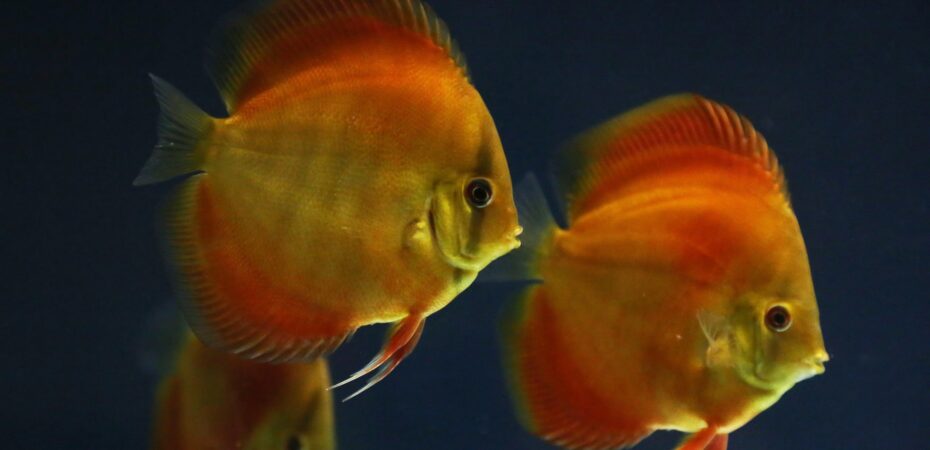
For decades, Discus fish were known as delicate, high‑maintenance aquarium species that demanded near‑perfect water quality. However, a quiet revolution is taking place in the UK. Thanks to home breeders and small‑scale enthusiasts, today’s Discus are far more adaptable and resilient than their wild ancestors — making them ideal even for intermediate aquarists.
In this article, we’ll explore how UK home breeding has changed the way Discus adapt to water conditions, why this matters for aquarium hobbyists, and how you can benefit from the growing availability of hardy tank‑raised Discus fish online.
Selective Breeding Creates Hardier Strains
Traditional Discus originated from the Amazon basin, where soft, warm, and very clean water conditions were essential to their survival. Early imports suffered in captivity due to stress and water instability, leading to their reputation as a “hard‑to‑keep” species.
However, UK Discus breeders have been working for over two decades to develop stronger, disease‑resistant strains. By conditioning breeding pairs in a variety of water chemistries — from soft Manchester tap water to the harder supplies common in the South East — these enthusiasts have slowly selected for tolerance to wider pH and hardness levels.
This selective breeding means that many UK-bred Discus can now thrive in tap water conditions that would have previously been unsuitable. The result is a generation of vibrant, healthy fish that retain their exotic charm but are easier to keep.
Benefits for UK Aquarium Hobbyists
For aquarists across the UK, this development offers several advantages:
Simpler tank setup: You no longer need reverse osmosis (RO) systems or constant water adjustments to maintain perfect conditions.
Lower maintenance: Hardier Discus are less prone to disease and stress, thriving in stable home aquariums.
Cost-effective: Reduced equipment and water treatment costs make Discus fish a more affordable hobby.
Improved community compatibility: UK-bred Discus now coexist comfortably with other tropical species in shared tanks.
These changes have opened the door for thousands of new enthusiasts who once avoided Discus due to their demanding care.
How Home Breeding Strengthens Discus Fish
Part of this success lies in community-driven breeding projects. Many breeders exchange stock through online forums, local clubs, and social media groups such as UK Discus Breeders Network. This collaboration ensures a diverse gene pool and consistent improvements in colour strains and environmental resistance.
Small-scale home breeders often provide better individual care than large-scale farms. Fry (young Discus) are raised in stable, clean water and gradually acclimated to tap conditions. Over several generations, these adaptations become inheritable traits, creating Discus that can handle fluctuations in pH, hardness, and even temperature.
If you’re looking to support sustainable, responsible fishkeeping, buying locally bred Discus fish from UK sources helps reduce imports and preserves this unique homegrown resilience.
Conclusion
The evolution of home-bred Discus fish in the UK represents a turning point in aquarium keeping. Once labeled “expert-only,” Discus are now well within reach for everyday hobbyists. They’re a living example of how community-led breeding and patient care can reshape a species’ adaptability — and make fishkeeping more accessible for all.
If you’re planning to buy Discus for your home aquarium, consider supporting local breeders. Your purchase not only helps the UK aquarium community but also ensures you get strong, beautifully adapted fish that thrive in typical British water conditions.
Suggested Follow‑Up Article Titles
“Top 5 UK Discus Breeders You Should Know in 2026”
“How to Keep Discus Fish Healthy in Hard Water”
“The Future of Home Breeding: From Discus to Betta”
“Best Tank Mates for UK‑Bred Discus Fish”
“Discus Colour Strains: A Guide to the UK’s Brightest Breeds”
“How Local Breeding Cuts Down Fish Import Carbon Footprints”
Would you like me to optimise this further for a specific keyword focus (for example, “Discus fish UK” or “tap water Discus care”) or tailor it for WordPress SEO formatting using plugin‑friendly headings and meta descriptions?